Clippers Collapse: A Recurring Nightmare for Title Aspirations?
The Los Angeles Clippers, a franchise perennially tipped for greatness, often find themselves battling not just opponents, but also a haunting narrative of late-game meltdowns. This season, that familiar specter reared its head once again during a captivating contest against the Golden State Warriors. What began as a comfortable 22-point lead midway through the third quarter quickly evaporated, culminating in a stunning Warriors victory. This latest Warriors vs. Clippers: Steph Curry Leads Epic 22-Point Collapse isn't merely an isolated incident; it's a painful reminder of a recurring vulnerability that continues to plague the Clippers' quest for an NBA championship.
An Epic Comeback: The Latest Chapter in Clippers' Woes
The scene was set at the Chase Center in downtown San Francisco. Two nights prior, the Golden State Warriors had suffered a late-game collapse of their own against these same Clippers, falling 108-101 at home. The stage was seemingly primed for the Clippers, led by their superstar duo, to assert dominance and sweep the two-game series. With Kawhi Leonard’s free throws pushing their lead to 22 points with 3:15 left in the third quarter, defeat seemed inevitable for the Dubs. Analysts had even tipped the Clippers as legitimate title contenders, making a Warriors loss understandable.
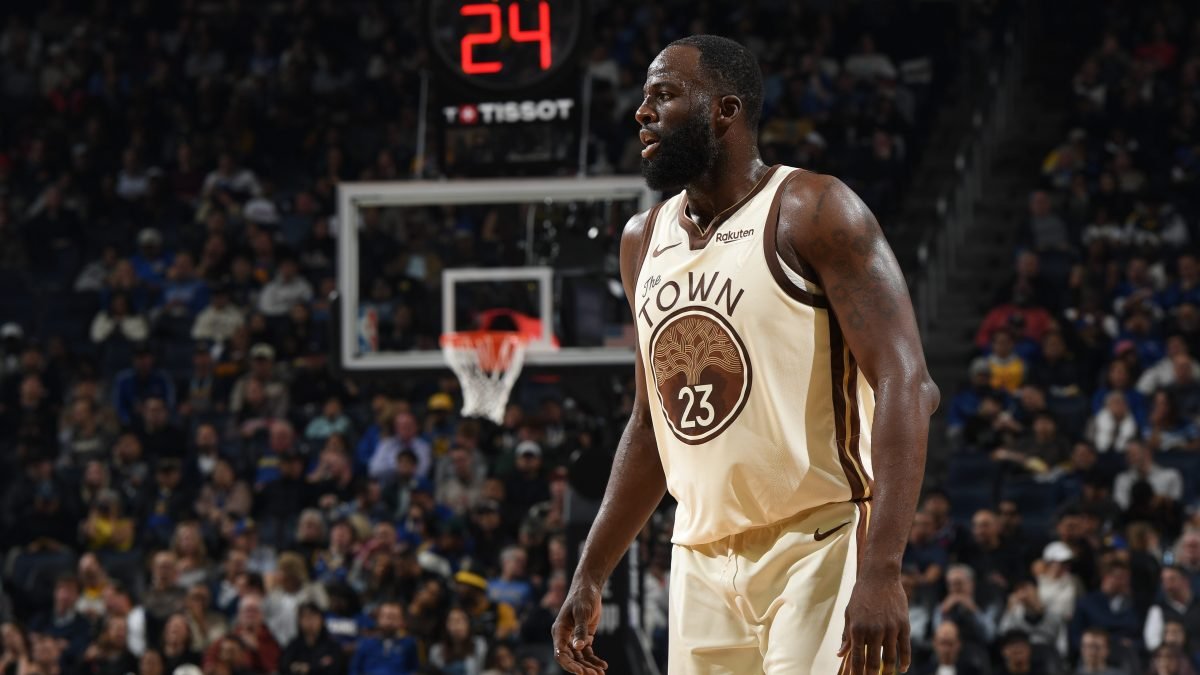
However, what transpired was nothing short of miraculous, fueled by the relentless brilliance of Stephen Curry. The two-time MVP refused to let his team succumb, orchestrating an impressive, if not improbable, comeback. Curry finished the night with a dazzling 38 points and 11 assists, single-handedly inspiring a Warriors team that, despite a tumultuous season riddled with injuries and inconsistent play, is starting to show glimpses of its former championship pedigree. This remarkable turnaround against a team featuring some of the league's premier talent demonstrated the Warriors' growing resilience, turning what looked like another defeat into a significant morale boost.
The post-game celebration also provided a heartwarming moment, as Draymond Green interrupted Curry's ESPN interview with a Sharpie, urging Steph to autograph the game ball. This touching gesture was a tribute to Fred Kast, the Warriors' esteemed statistician who retired after 58 years and nearly 3,000 games with the organization. Such displays of respect highlight the deep bonds fostered within the Warriors franchise, a stark contrast to the tactical breakdowns that often define a Clippers collapse.
For the Warriors, this victory, just 17 days after a bleak 26-point thumping in the season opener, signaled a significant shift. Head coach Steve Kerr has consistently preached the importance of competing for 48 minutes, a message that clearly resonated on this particular night. "The most important thing for this team is to establish that we are going to compete for 48 minutes," Kerr told reporters. "The team understands what they have to do, which is bring energy and execution every night, and they did that tonight." This newfound energy and execution have transformed the Golden State Warriors: From Bleak to Bright After Clippers Upset, hinting at a higher ceiling than many initially expected despite key losses like Klay Thompson and Marquese Chriss.
The Ghost of Collapses Past: A Haunting Legacy
While the recent warriors clippers collapse was a regular-season setback, it resonated deeply because it echoed a far more painful history of playoff implosions. The Clippers' legacy is regrettably punctuated by catastrophic collapses that have defined entire seasons. Perhaps the most infamous example dates back to the 2015 playoffs, when the team, then featuring Chris Paul and Blake Griffin, held a commanding 3-1 series lead over the Houston Rockets in the Western Conference Semifinals. They were just one win away from their first-ever Conference Finals appearance, even leading by a significant margin in Game 6. What followed was a stunning unraveling, culminating in a devastating Game 7 loss that left the franchise and its fans reeling.
ESPN's Mark Jackson's prophetic words during that Game 7 — "If the Clippers don't win, it's going to haunt them for a long time to come" — proved eerily accurate. That particular failure, much like the recent regular-season loss to the Warriors, wasn't just about losing a game; it was about the manner of the defeat. It spoke to a deep-seated vulnerability, a mental fragility that seems to emerge precisely when the stakes are highest. The aftermath was described as "utter catastrophe," reminding fans of lamentable figures from the Clippers' past and casting a long shadow over their championship aspirations.
This history of self-destruction has become ingrained in the Clippers' narrative. For a team consistently built with top-tier talent and high expectations, these collapses—whether in the regular season or the playoffs—fuel skepticism about their ability to perform under pressure when it truly counts. The term "Clippers Curse" might sound superstitious, but for many fans and analysts, it feels like a tangible force preventing the team from reaching its full potential.
Unpacking the Psychology of a Collapse
What drives a team to blow a significant lead, especially one stocked with veteran talent and championship aspirations? The psychology behind a collapse is complex, often involving a confluence of factors:
- Momentum Swings: Basketball is a game of runs. When an opponent starts chipping away at a lead, the psychological tide can turn rapidly. Doubts creep in, passes become riskier, shots are rushed, and defensive intensity wanes.
- Lack of Leadership and Poise: In crucial moments, strong leadership is paramount. A true leader can calm the storm, rally the troops, and ensure fundamental execution. When a team lacks this, or when leaders themselves falter under pressure, the dominoes begin to fall.
- Coaching Decisions: Timeout usage, player rotations, and defensive adjustments play a critical role. A coach's ability to stem the tide with timely interventions can be the difference between a minor blip and a full-blown meltdown.
- Mental Fortitude: Elite teams possess a "killer instinct" – the ability to close out games, step on an opponent's throat, and maintain focus even with a big lead. For the Clippers, this mental toughness has often been questioned. They sometimes appear to relax when ahead, allowing opponents a glimmer of hope that quickly turns into a raging fire.
- Opponent's Resilience: It's also vital to acknowledge the opponent's role. In the recent warriors clippers collapse, Stephen Curry's singular brilliance and the Warriors' collective fight were extraordinary. Sometimes, a collapse isn't just about one team failing; it's about the other team refusing to lose.
What This Means for the Clippers' Title Hopes
Every collapse, whether in the regular season or playoffs, leaves an indelible mark. For the Clippers, this latest setback, particularly against a rebuilding Warriors squad, is more than just a notch in the loss column. It reignites questions about their mental toughness and their ability to execute under pressure when the stakes are highest. The narrative of fragility, however unfair it may seem, continues to attach itself to the franchise.
Kawhi Leonard and Paul George were brought to Los Angeles specifically to overcome this history and deliver a championship. While their individual talents are unquestionable, the team's collective ability to weather storms and close out games remains a significant hurdle. Championship teams don't just have talent; they possess an unwavering resolve, an ability to shut down opponents when they have them cornered. The Clippers, despite their immense potential, have yet to consistently demonstrate this critical characteristic.
For title aspirations to materialize, the Clippers must not only learn from these losses but actively demonstrate a mental shift. They need to prove, not just to their fans but to themselves, that they can maintain focus, intensity, and execution for all 48 minutes, irrespective of the scoreline. Until they consistently do so, the shadow of past collapses will loom large over their championship dreams.
Beyond the Box Score: Lessons in Resilience and Leadership
The recent warriors clippers collapse offers valuable lessons for both teams. For the Golden State Warriors, it was a testament to the enduring power of leadership (Curry), collective effort, and Steve Kerr's philosophy of continuous improvement. Despite having a somewhat tumultuous season marked by elusive realistic expectations and poor shooting performances, the Warriors' rate of improvement makes their ceiling hard to predict. This comeback shows their commitment to establish a competitive identity for 48 minutes, an encouraging sign for their future.
For the Clippers, it's a stark reminder that talent alone is insufficient. The most potent lineup can be undone by a lack of mental fortitude or an inability to adjust when momentum shifts. Moving forward, their focus must extend beyond offensive firepower and defensive schemes to cultivating an unshakeable belief and a collective toughness that prevents these devastating implosions. Only then can they hope to shed the recurring nightmare of collapses and finally realize their long-sought title aspirations.